Attic Mold Removal in Crestwood, DC
Mold removed from roof sheathing and rafters, with damaged insulation cleared from your Crestwood attic. Call 24/7 to start your assessment and cleanup.
- Moisture source checked first
- Contained work and HEPA filtration
- Wood and insulation assessed
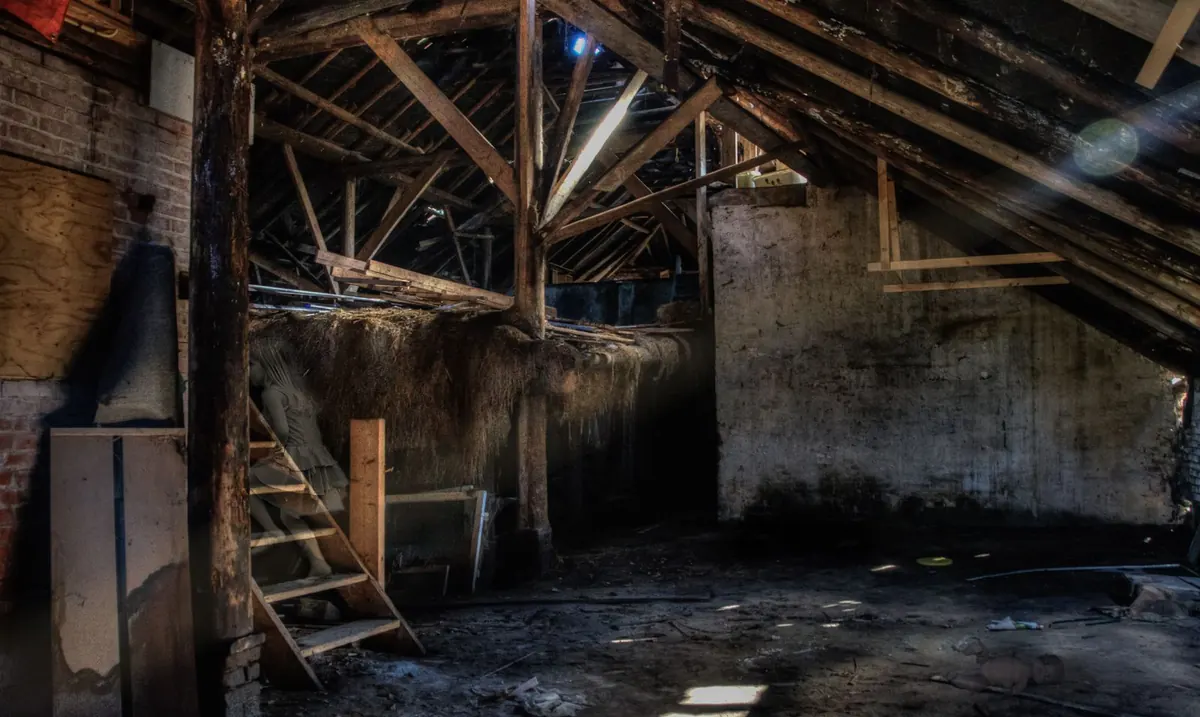
Crestwood Attic Mold Removal Services Explained
Your cleanup covers accessible attic framing, rafters and roof sheathing, plus bagging and removal of damaged insulation. Checks of bath fan ducts, ventilation and roof leaks help identify where moisture comes from.
Damaged materials beyond saving are taken out under containment. Your sound sheathing is vacuumed with HEPA equipment, then cleaned and dried; protection at the hatch and along the work route reduces particle spread.
Your roof vents, ridge vent and soffit vents are checked during assessment. Cleanup and separate ventilation or roof repairs are defined in a written work scope. Moisture concealed beneath insulation can change how much area needs removal.
- Roof deck and rafter cleaning
- Affected attic insulation removal
- Moisture and exhaust duct assessment
- Contained access and debris removal
- Drying and final condition checks
Attic Mold Removal Warning Signs
Have your attic moisture assessed if you notice lingering odor, damp insulation or staining on wood.
Frost or Condensation on Nails
Your surrounding wood may become damp and nails wet because of condensation in attic spaces.
A Musty Smell by Your Attic Hatch
You may notice odors drifting into rooms when hidden moisture is present overhead, above the ceiling.
Stained Attic Roof Decking
Your rafters and roof joints may show extensions of dark patches or visible mold growth from plywood sheathing.
Damp Areas Beside a Bathroom Exhaust Duct
Wood and insulation may stay damp when moist air comes from a bathroom fan venting into attic voids.
Under a Roof Leak: Wet Insulation
Near roof openings, water stains or flattened insulation may indicate where water enters.
Attic Mold Removal From Start to Finish
You start by calling about the attic; contained cleanup follows, with verification at the end.
Call and Attic Assessment
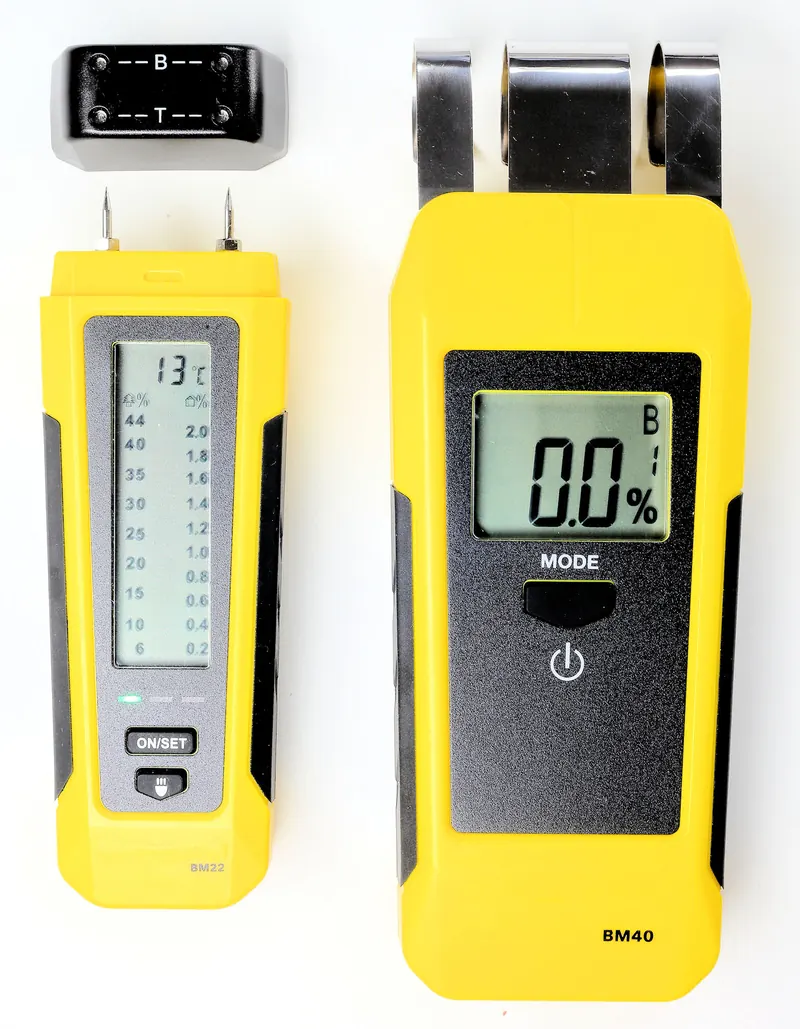
Visible damage and entry to your attic are discussed first when you call. A thermal imaging camera can reveal temperature differences, but not identify mold; mapping dampness requires a moisture meter.
Moisture Source and Scope
Roof leak paths, exhaust ducts and ventilation are assessed. Before installing replacement materials, your scope sets out airflow corrections, cleaning and leak repair.
Attic Containment
Poly sheeting forms a containment barrier that seals your attic away from the living space. Particle movement is limited using protective equipment, a HEPA air scrubber and negative air pressure.
Damaged Insulation Removal
Inside containment, affected insulation is bagged along with other porous materials that cannot be saved. As debris is carried from your home, the exit route remains protected.
Wood Surface Cleaning
Sound roof sheathing and rafters are cleaned with a HEPA vacuum, then given suitable surface treatment. Antimicrobial treatment cannot substitute for cleaning; soda blasting needs dust control when suitable for your wood.
Controlled Attic Drying
Drying equipment is chosen to suit your space, with options such as air movers and a dehumidifier. As the source of water or condensation is fixed, moisture readings measure drying progress.
Post-Remediation Check
Agreed post-remediation verification, completed cleaning and finished drying precede the removal of containment. Before replacement of materials, any specified clearance testing is carried out by an independent assessor.
Why Consider Washington Mold Removal Services for Attic Mold Removal
Attic Moisture First
Your assessment traces roof leaks, condensation and exhaust problems before cleanup begins.
Removal, Drying and Verification
Containment removal follows final checks, after damaged insulation is taken out and sound wood undergoes cleaning and drying.
Calls Answered 24/7
You have one number to begin attic cleanup throughout the metro, nights and weekends included.
Clear Scope and Contained Access
HEPA filtration and containment cover the affected area; you hear the scope explained before work starts.
District of Columbia Attic Mold Removal Preparation
Keep the attic undisturbed and call to arrange your assessment.
- Keep Out of Your Affected Attic. Ceiling surfaces between joists are not a walking floor.
- Keep the hatch closed. Keep people and pets away from affected materials.
- Leave insulation in place. Do not brush growth or begin tear out.
- Avoid wet electrical equipment. Avoid water that is close to fixtures and wiring.
- Avoid spreading particles. Avoid using an attic fan for dust removal; EPA advises leaving HVAC equipment off when contamination is suspected.
Your Attic Mold Removal Cost in Crestwood
Your attic price depends on the affected area, access and condition of the wood and insulation. These national ranges separate removal costs from replacement insulation.
Attic mold removal
$1,000 to $4,000 per jobSource: This Old House, Mold Remediation Cost (cost data credited to Angi) (checked 2026-10-23)New insulation following removal of your old insulation
$1 to $7 per square footSource: PushLeads, Attic Mold Removal Cost (cites BUK Restoration and Angi) (checked 2026-10-23)Crestwood Attic Mold Cost: What Affects Your Price
- Roof sheathing condition
- Cleaning method
- Separate moisture repairs
- Insulation volume
- Affected square footage
- Access and headroom
Understanding Your Attic Cleanup Price
These published national ranges are planning figures. Your on-site assessment defines the work and price before cleanup starts, including any separate source repairs or rebuilding.
Call (844) 352-3560 about costAttic Mold Removal Service Area Across Greater Washington
Call (844) 352-3560 to arrange cleanup in Crestwood or nearby communities. One number covers the metro.
Attic Mold Removal in Locations Near Crestwood
Frequently Asked Questions About Attic Mold Removal in Crestwood
What does attic cleanup cost in District of Columbia?
Access and affected square footage influence your attic mold cost, alongside the volume of insulation and condition of roof sheathing. National price ranges appear with source names in the published cards above. The pricing unit for replacement insulation differs from removal. Your on-site scope defines the work and price before it begins.
Will mold return after the attic is cleaned?
If roof leaks or exhaust problems persist, or humidity stays trapped, mold can reappear. Your assessment traces the source before cleaning begins. Sound wood undergoes cleaning and drying, with moisture corrections either included or listed as separate work. Your new insulation is installed only after drying and verification, without concealing damp surfaces.
What is the timeframe for attic cleanup in Crestwood?
Inspection of your affected insulation, wood and access route comes before setting the schedule. Your workload grows with tight hatches and extensive removal areas. Moisture readings guide drying, regardless of how surfaces look. Roof repairs, agreed verification and ventilation fixes also influence the schedule for installing replacement insulation and finishing your job.
Does mold on roof decking mean you need replacement?
Your sound roof decking, along with sound rafters, can often undergo cleaning and drying. Assess wood for repairs if soft, deteriorated or structurally damaged; replacement may be needed. Stains alone do not establish the condition of the wood. Before removal or rebuilding starts, your scope distinguishes roof repair from cleaning.
Does the work also correct roof leaks and exhaust issues?
Your moisture issues are identified during assessment, which sets out corrections needed in addition to cleanup. Roof repair, work on exhaust ducts and ceiling air sealing are included only if your scope names them. Before work begins, separate repairs are identified to protect clean wood and replacement insulation from continued exposure to the same moisture source.
Should air testing take place before or after your attic is cleaned?
Air sampling is often not needed for visible mold, according to EPA guidance. Inspecting and checking moisture identify the affected area. After removal, cleaning and drying are checked before containment comes down. An independent assessor performs clearance testing when specified. No federal limit exists on the level of mold indoors.
Do you need to leave home for attic cleanup?
If occupied rooms stay isolated from both the debris route and attic work zone, you may remain home. Where access is restricted depends on shared ventilation, hatch placement and your household needs. Some jobs require you to stay elsewhere during work. Your assessment establishes these arrangements before containment and removal begin.
Attic Mold Cleanup and Insurance in District of Columbia
Homeowners insurance coverage depends on the moisture cause, policy exclusions, mold limits and deductible. Roof repairs, cleanup and replacement insulation may receive different coverage decisions.
Attic Mold Safety Across Greater Washington
Containment and controlled access limit disturbance and particle spread during attic work.
Attic Dust
Mold spores may travel outside the affected area when insulation is disturbed.
Attic Access
Ceiling gaps, exposed nails and tight headroom affect safe access.
Sensitive Occupants
For some people, allergy symptoms and asthma symptoms can be triggered by mold, CDC notes.
Mold Color
You cannot measure risk by finding black mold in attic spaces; CDC cautions that mold color does not reveal danger.
Cleanup scope: EPA guidance often allows homeowner cleaning for areas under about 10 square feet, without eliminating hazards from accessing your attic. Larger areas, HVAC systems or contaminated water call for professional help.
District of Columbia Attic Materials: Cleaning and Removal
Your sound framing gets cleaned if possible. Porous materials with damage may require removal.
Wood sheathing and rafters
- Sound wood is cleaned and dried; deteriorated roof decking needs a repair assessment.
Attic insulation
- Bagged affected insulation leaves the attic; drying and verification must finish before insulation replacement.
Other surfaces
- Accessible non-porous surfaces are cleaned; damaged ceiling materials may need removal.
How Long Attic Cleanup Takes in District of Columbia
Your timeline depends on drying, access, material quantities and repairs after cleanup.
- Access: Your removal workload grows with narrow hatches and little headroom.
- Wood moisture: Replacing insulation must wait until moisture readings indicate readiness.
- Completion: Roof repairs and agreed verification affect when the job closes.
Humidity and Attic Odor in Crestwood
To investigate mustiness, your assessment checks materials along with moisture. Adding fragrance leaves the source unresolved.
EPA puts the ideal indoor relative humidity at 30 to 50 percent and recommends keeping it below 60 percent. Do not treat that guidance as your attic clearance target.
District of Columbia Attic Cleanup Requirements Explained
Attic Work Requirements
The District licenses mold assessors and mold remediators through the Department of Energy and Environment (DOEE). For rental housing, mold covering 10 square feet or more calls for a professional holding a DOEE license, and smaller areas can follow DOEE guidelines.
EPA Guidelines for Drying
Dry water-damaged areas and items within 24 to 48 hours to prevent mold growth.
Repair Permits
Whether permits are needed depends on included work affecting the roof, structure or electrical systems.
State Mold Information
DOEE licenses mold professionals and keeps a public list of mold assessors and remediators who hold a DOEE license. Questions can go to DOEE at (202) 535-2600.
State guidance: DOEE: Mold Information for Tenants; DOEE: Mold Information for Home Owners; DOEE: Mold Requirements and Standards for Mold Professionals; DC Code Title 8 Chapter 2B, Indoor Mold Assessment and Remediation
Related Services and Next Steps
Start Your Attic Mold Removal in Crestwood
Call 24/7 to arrange your assessment. Your cleanup starts with the affected surfaces, moisture source and access to your home.